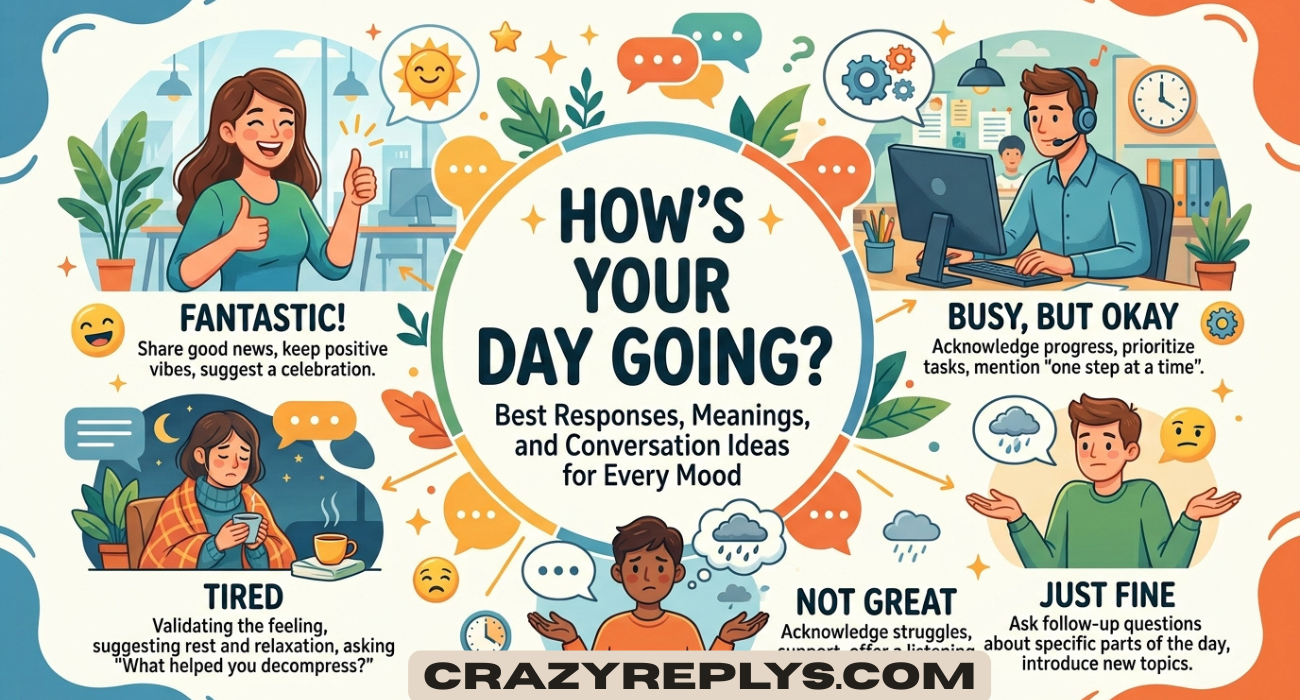
How’s Your Day Going? Best Responses, Meanings, and Conversation Ideas for Every Mood
“How’s Your Day Going” is a common question people use in daily conversations. It asks about a person’s mood, activities, or experiences during the day. People often use it to show care and start friendly talks.
A simple answer can make a conversation more interesting and enjoyable. Funny, positive, or thoughtful replies can help people connect better. Small talk often turns into meaningful communication.
Today, “How’s Your Day Going” is popular in text messages, social media, and everyday life. Knowing how to answer this question can improve communication skills and make conversations feel more natural and engaging.
What Does “How’s Your Day Going?” Really Mean?
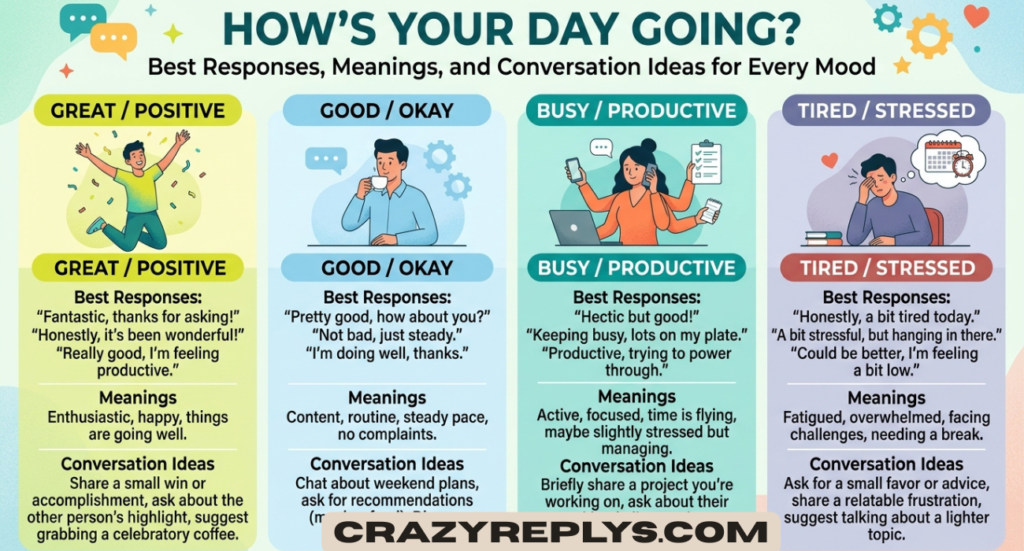
At first glance, the question seems simple. However, people ask it for many reasons. Sometimes it’s just a friendly greeting. Other times, it’s a genuine attempt to check on your well-being.
In American culture, this phrase has become one of the most common daily conversation phrases and casual check-ins. According to communication studies from the Pew Research Center, small talk often strengthens relationships and increases feelings of belonging.
Read Also : Positive Good Morning Thursday Quotes: 260+ Inspiring Wishes, Blessings
Similar Questions You Might Hear
| Phrase | Meaning |
| How’s it going? | Casual greeting |
| How have you been? | Asking about recent experiences |
| What’s up? | Informal conversation opener |
| How are things? | General life update |
These phrases all serve as important conversation starters and encourage social interactions.
Positive & Enthusiastic
When life is going well, your answer can spread happiness. Using positive responses and enthusiastic responses creates a pleasant atmosphere and often improves the other person’s mood too.
Examples include:
- “Fantastic! Everything is falling into place today.”
- “Amazing! I’m having a really productive day.”
- “Couldn’t be better. Thanks for asking!”
These are among the best responses to how’s your day going because they create positive energy and encourage engaging conversations.
Why Positive Replies Work
Research in positive psychology suggests that optimism can improve relationships and increase social trust. Your cheerful response might brighten someone else’s day.
Neutral / Standard
Not every day feels extraordinary. Sometimes simple answers work best.
Neutral replies and standard responses fit professional settings and casual meetings.
Examples:
- “It’s going well, thanks.”
- “Pretty normal day so far.”
- “All good here.”
These types of replies are excellent professional greeting responses, especially in workplaces.
Busy / Productive
Modern life is hectic. Many Americans spend long hours balancing work, family, and personal responsibilities.
Good busy responses include:
- “Busy, but making progress.”
- “Pretty packed day, but everything’s under control.”
These productive responses communicate effort without sounding stressed.
Workplace Tip
In office settings, concise replies often create stronger professional impressions. These are useful workplace conversation tips that keep discussions efficient.
Relaxed / Chill
Some days simply feel peaceful.
Examples of relaxed responses and chill responses include:
- “Taking it easy today.”
- “Pretty calm and enjoying it.”
These answers work perfectly during weekends or friendly chats.
Overwhelmed / Stressful
Life isn’t always easy. Sometimes honesty helps.
Examples of stressful responses and overwhelmed responses:
- “It’s been a little overwhelming today.”
- “A challenging day, but I’m getting through it.”
These responses allow emotional openness while maintaining good social etiquette English.
Tired / Drained
Everyone experiences exhaustion.
Common tired responses include:
- “Honestly, I’m exhausted.”
- “Running low on energy today.”
These drained responses are relatable because nearly everyone has difficult days.
Reflective / Thoughtful
Sometimes you feel more introspective than usual.
Examples:
- “I’ve been thinking about a lot today.”
- “It’s been a meaningful day.”
These reflective responses, thoughtful replies, and meaningful replies often lead to deeper discussions and stronger human connection.
Funny / Sarcastic
Humor makes conversations memorable.
Popular funny replies include:
- “Living the dream… if the dream includes endless emails.”
- “Fantastic. I’ve only had three mini-crises today.”
These sarcastic replies often become excellent engaging replies among friends.
Grateful / Appreciative
Gratitude creates warmth in conversations.
Examples:
- “Feeling blessed today.”
- “Really thankful for the little things.”
These grateful responses and appreciative responses promote emotional well-being and improve relationship communication.
Indifferent / Meh
Not every day is exciting.
Examples:
- “Just another average day.”
- “Nothing special happening.”
These indifferent responses communicate honesty without negativity.
Hopeful
Optimism attracts people.
Examples:
- “Things are getting better.”
- “I’m feeling hopeful about what’s ahead.”
These hopeful responses and optimistic responses show resilience.
Excited
Big opportunities deserve excitement.
Examples:
- “Amazing! Something great happened today.”
- “I’m really looking forward to tonight.”
These excited responses create excitement and encourage conversation engagement.
Emotional
Some days are emotionally intense.
Examples:
- “It’s been an emotional day.”
- “Feeling grateful and overwhelmed at the same time.”
These emotional responses encourage authentic discussions and deepen emotional connection.
Distracted / Scattered
Busy schedules can affect concentration.
Examples:
- “My mind is everywhere today.”
- “I keep forgetting what I was doing.”
These distracted responses and scattered responses are increasingly common in today’s digital world.
Mysterious / Vague
Sometimes you don’t want to share everything.
Examples:
- “Interesting… that’s all I’ll say.”
- “It’s been an eventful day.”
These mysterious responses and vague responses keep curiosity alive.
Honest & Vulnerable
Vulnerability strengthens relationships.
Examples:
- “I’ve had a difficult day.”
- “Honestly, I’m struggling a little.”
These honest responses, vulnerable responses, and examples of honest communication build trust.
Snarky
A little attitude can be entertaining.
Examples:
- “Thriving on caffeine and deadlines.”
- “Absolutely wonderful… said nobody on Monday.”
These snarky responses work best among close friends.
Philosophical
Deep thinkers often prefer meaningful answers.
Examples:
- “Every day teaches us something.”
- “Life is all about perspective.”
These philosophical replies often lead to meaningful conversation.
Weather-Inspired

The weather affects mood more than many people realize.
Examples:
- “Sunny outside and sunny inside.”
- “Rainy weather calls for coffee.”
These weather-inspired responses make conversations more creative.
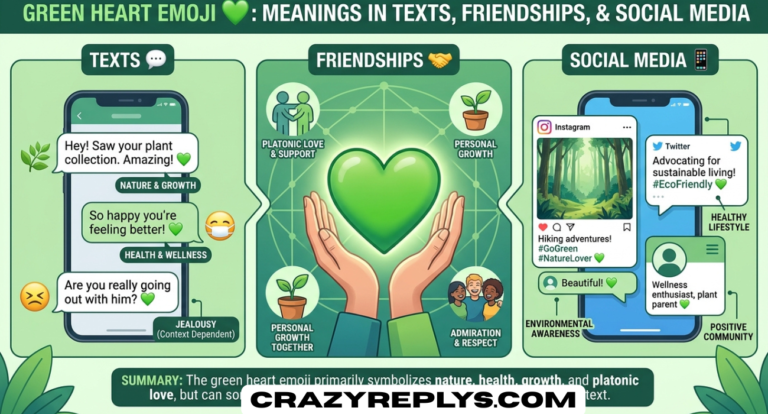
Read Also : Green Heart Emoji Meaning: What the Really Means in Texts, Friendships
Energetic
High-energy days deserve enthusiastic answers.
Examples:
- “Feeling unstoppable today!”
- “I’ve got so much energy.”
These energetic responses naturally spread motivation.
Cryptic
Sometimes mystery is fun.
Examples:
- “Ask me again tomorrow.”
- “There’s a story behind today.”
These cryptic responses often encourage follow-up questions.
Curious Redirect
One of the best techniques is turning the question back.
Examples:
- “Pretty good. How about you?”
- “I’m doing well. What’s new with you?”
These curious redirects keep conversation flowing and demonstrate good communication skills.
Best Replies by Situation
| Situation | Recommended Reply |
| Friend | “Great! What about you?” |
| Coworker | “Busy but productive.” |
| Crush | “Better now that you’re texting.” |
| Family | “Doing well. Thanks for asking.” |
| Social Media | “Living one day at a time.” |
These examples serve as useful response examples and practical text conversation ideas.
Communication Tips for Better Conversations
Good conversations require more than answers.
Using friendly replies, polite responses, and authentic responses creates smoother interactions.
Here are several useful communication tips:
- Match the other person’s energy.
- Keep answers short but meaningful.
- Ask questions back.
- Use humor when appropriate.
- Stay genuine.
Mastering these habits improves friendly communication, social communication, and overall interactive communication.
Why Small Talk Matters
Many people underestimate small talk.
Yet studies show that brief conversations improve happiness and increase feelings of community.
Using social small talk phrases, polite conversation starters, casual greetings English, and everyday English phrases helps build stronger relationships.
Even simple mood updates can create meaningful bonds.
How to Reply to “How’s Your Day Going?” in Text Messages
Text messages often lack tone and facial expressions, which makes your response even more important. A simple answer can easily sound cold or uninterested if you do not add warmth or personality. Using thoughtful words and emojis can make your message feel more genuine and engaging.
When replying through text, match the energy of the other person. Friends usually appreciate funny or casual responses, while professional contacts may prefer polite and direct answers. A well-written reply can keep the conversation alive and create stronger connections over time.
Professional Responses for Workplace Conversations
The workplace requires a balance between friendliness and professionalism. When someone asks, “How’s your day going?” at work, your answer should sound positive without revealing too many personal details. Professional responses help maintain good relationships with coworkers and clients.
Simple replies like “Busy but productive” or “Going well, thank you” work perfectly in office environments. These responses show enthusiasm and competence while keeping the conversation respectful. Strong communication skills often contribute to better teamwork and career growth.
Flirty Responses That Keep the Conversation Interesting
Flirty replies can turn a simple question into a playful interaction. Instead of giving a basic answer, you can add humor or charm to create excitement and curiosity. The right response often encourages longer and more enjoyable conversations.
Replies such as “Better now that you’re texting me” or “I was waiting for someone special to ask” can create a lighthearted atmosphere. However, timing matters. Keep your tone natural and avoid sounding forced or overly dramatic.
How Social Media Changed Everyday Conversations

Social media platforms like TikTok, Instagram, and Snapchat have changed the way people communicate. Short replies, memes, and emojis now play a major role in daily conversations. Many people use creative responses to stand out online.
Because of these changes, people increasingly prefer funny, relatable, and expressive answers. Modern communication often values personality and entertainment as much as information. This shift has made simple questions like “How’s your day going?” more interesting than ever before.
Best Responses for Friends and Close Relationships
Friends usually expect more personal and detailed answers. Unlike professional settings, close relationships provide space for honesty, humor, and emotional expression. A thoughtful response can strengthen trust and make friendships feel deeper.
You can share exciting news, frustrations, or funny stories with close friends. Responses like “It’s been crazy but fun” or “Honestly, I need a vacation already” often lead to meaningful and entertaining conversations.
How to Respond When You’re Having a Bad Day
Not every day is perfect, and pretending otherwise can feel exhausting. If you are struggling, it is okay to admit that things are difficult. Honest responses often encourage support and understanding from others.
You do not need to reveal every detail. Simple replies such as “It’s been a challenging day” or “I’ve had better days” communicate your feelings without oversharing. Authenticity often creates stronger human connections.
Creative Ways to Make Your Responses Memorable
People remember unique conversations. Instead of repeating the same answer every day, try adding creativity to your replies. Interesting responses often spark curiosity and encourage follow-up questions.
For example, saying “Today feels like a movie plot twist” sounds much more memorable than simply saying “Fine.” Creative wording adds personality and makes conversations feel fresh and enjoyable.
Why Small Talk Is More Powerful Than People Think
Many people underestimate small talk because it seems unimportant. However, research shows that brief conversations improve mood and increase feelings of belonging. Small interactions often become the foundation of long-term relationships.
A simple question about your day can lead to friendships, networking opportunities, or emotional support. Even short conversations have the power to brighten someone’s mood and create meaningful moments.
Common Mistakes People Make When Answering
One common mistake is giving one-word answers like “Fine” or “Okay.” These replies quickly end conversations and make you appear uninterested. Another mistake is oversharing personal problems with someone you barely know.
A better approach is to provide enough information to continue the conversation while remaining appropriate for the situation. Balance, honesty, and warmth usually create the best communication experiences.
How Humor Improves Everyday Conversations
Humor makes people feel comfortable and relaxed. Funny responses often reduce awkwardness and help conversations flow naturally. Even a simple joke can transform an ordinary interaction into a memorable experience.
However, humor works best when it matches the situation. Light jokes and playful comments usually create positive feelings, while excessive sarcasm can sometimes lead to misunderstandings.
The Psychology Behind Asking About Someone’s Day
Humans naturally seek connection and reassurance. Asking about someone’s day serves as a social signal that communicates care, friendliness, and interest. It also helps people feel seen and valued.
Psychologists suggest that regular social interactions contribute significantly to happiness and emotional well-being. Even small daily conversations can improve mood and reduce feelings of loneliness.
How Different Personality Types Respond
Extroverts often provide enthusiastic and detailed answers because they enjoy social interaction. Introverts may prefer shorter responses and take more time to share personal feelings.
Neither approach is wrong. Understanding different communication styles can help you respond more effectively and build stronger relationships with various types of people.
Emoji Responses That Match Your Mood
Emojis have become an important part of modern communication. They help express emotions that words sometimes fail to capture. A smiling face or laughing emoji can completely change the tone of a message.
For example, “Pretty good 😊” feels warmer than simply saying “Pretty good.” Using emojis carefully can make text conversations feel more personal and expressive.
How to Keep the Conversation Going After Your Reply
A great response does not simply answer the question. It also invites the other person to continue talking. Asking a question back often creates more engaging and balanced conversations.
Simple follow-up questions such as “How about you?” or “What’s been the best part of your day?” encourage interaction and show genuine interest in the other person.
Why Authentic Responses Create Stronger Connections
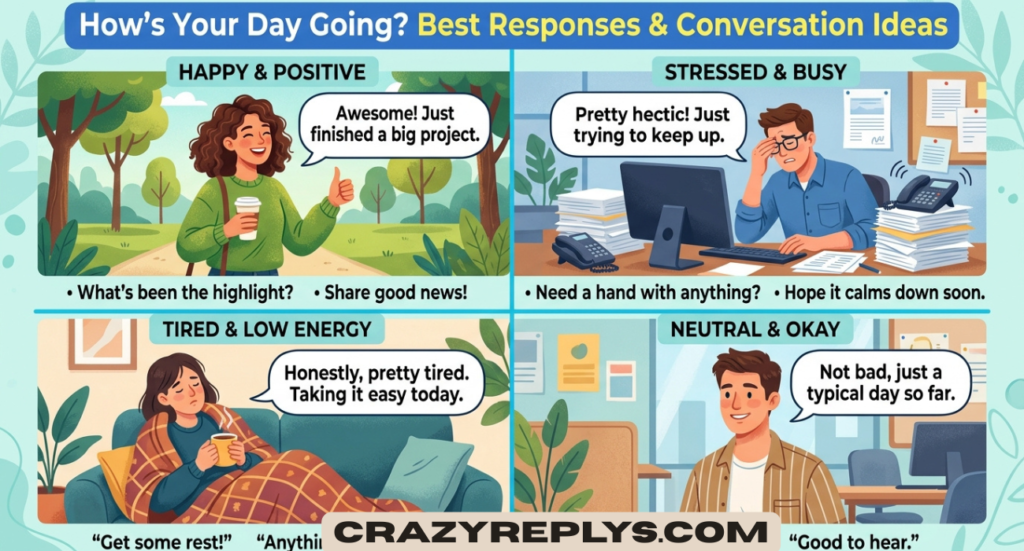
People appreciate honesty because it feels real and relatable. Authentic responses help build trust and encourage deeper conversations. Pretending that everything is perfect all the time can sometimes create emotional distance.
Whether your day is wonderful, stressful, or completely average, sharing your true feelings in an appropriate way often leads to stronger and more meaningful relationships. Genuine communication remains one of the most powerful tools for human connection.
FAQs
What does “How’s Your Day Going?” mean?
“How’s Your Day Going?” is a friendly way to ask about someone’s current mood, activities, or overall experience during the day. It is commonly used as casual small talk in everyday conversations.
How do you answer “How’s Your Day Going?”
You can answer honestly based on your mood. Simple replies like “It’s going great!” or “Pretty busy, but good” work well in most situations.
Is “How’s Your Day Going?” a formal question?
No, it is usually considered an informal and friendly question. However, it can still be used in professional settings as a polite conversation starter.
How can I make my reply more interesting?
Add a small detail or ask a question back. For example, “It’s been great—I finally finished an important project. How about your day?” This keeps the conversation flowing naturally.
Conclusion
“How’s Your Day Going” may look like a simple question, but it plays an important role in daily communication. People use it to start conversations, show kindness, and build better relationships. A good response can make a conversation more enjoyable and help people feel connected. Positive, funny, thoughtful, or honest replies all work well when they match the situation and the person you are talking to.
Learning different ways to answer “How’s Your Day Going” can improve your communication skills and make everyday conversations easier. Small talks often lead to meaningful friendships and stronger connections. Simple words, a friendly tone, and genuine responses can leave a lasting impression. Using the right reply at the right time helps conversations flow naturally and creates a positive experience for everyone involved.